Features Nobody Asked For
Months go into capability no customer has agreed to pay for, while the core promise stays untested.
Launch the smallest version that can prove demand before the budget disappears into features nobody asked for.
We help founders put something real in front of real users and learn from what happens next. Product strategy, design and engineering sit in one team, so every feature earns its place against the assumption you need to test.
Free 20-minute product consultation · No obligation
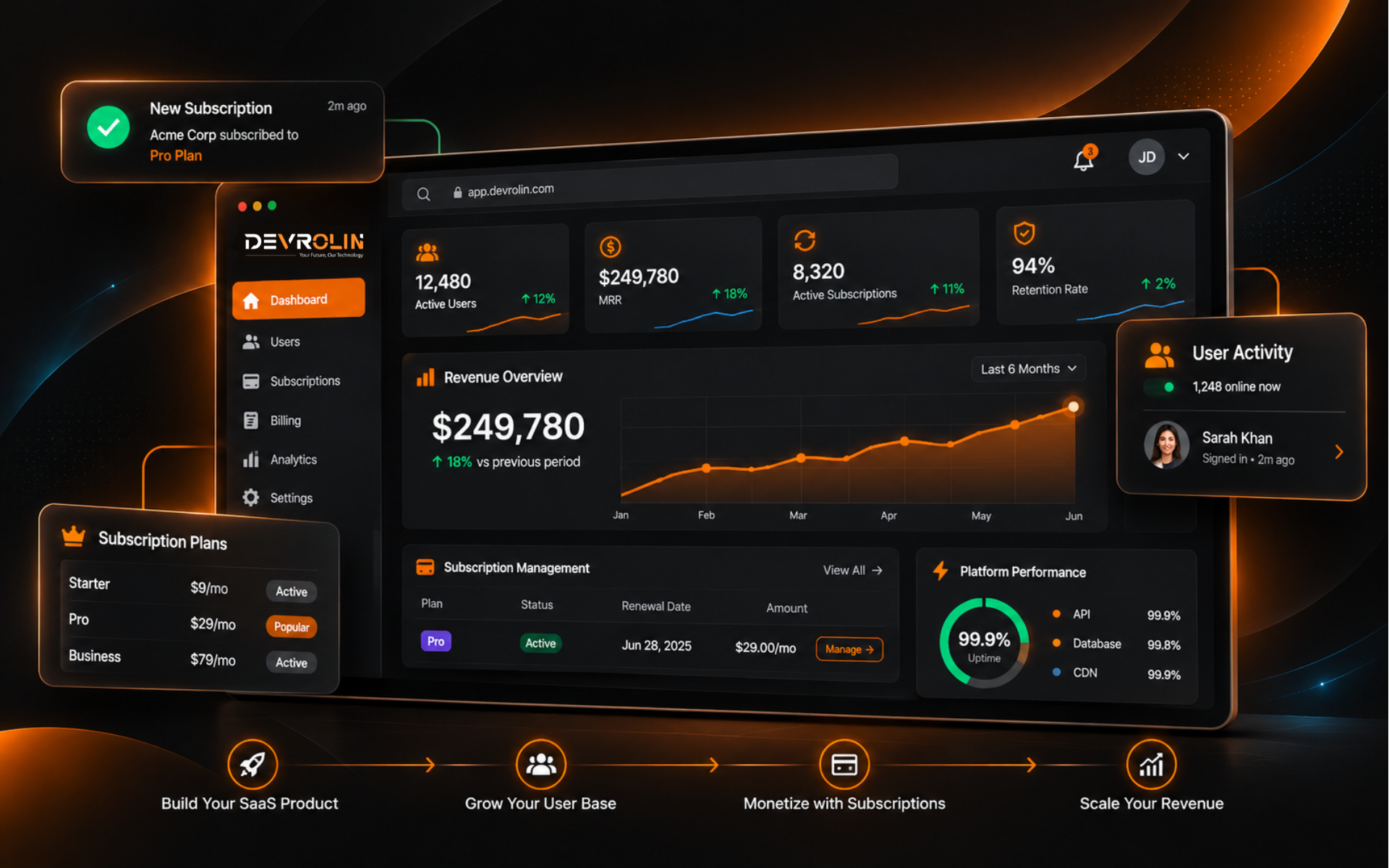
An MVP is still real engineering, and it should be accountable like it. We show the product screens, the delivered scope and the feedback we can verify, so you can judge the work instead of trusting a promise.
Building more does not create more demand. The real risk is paying for complexity before anyone has confirmed they want the simplest version.
Months go into capability no customer has agreed to pay for, while the core promise stays untested.
Every unvalidated addition pushes launch back and consumes the budget you need after launch.
A polished concept cannot collect real behavior, so there is nothing to learn from.
Without analytics or a feedback loop, the next build decision becomes another guess.
An MVP reduces risk. It does not remove it — users can still say no, and that is a valid result.
The goal is not a smaller product for its own sake. It is evidence you can act on.
Put a usable product in front of the audience you actually intend to serve.
Test a specific problem, behavior or buying intent instead of a feature list.
Spend on the core journey first and move nice-to-haves to a later backlog.
Track progress through demos and acceptance checkpoints, not status reports.
Instrument the primary action, adoption and the feedback that follows it.
Prioritize the next release from what the market shows, not what the pitch assumed.
We identify the one meaningful promise the product must deliver, then build only enough for a real user to complete that outcome.
Define the target customer, the important problem and the behavior that would prove value.
A testable product assumption.
Map one complete user path instead of thirty disconnected features.
A lean release scope and a prioritized backlog.
Agree how activity, feedback and any willingness-to-pay signal will be captured.
Product success criteria and analytics events.
Review real user behavior, then choose to improve, reposition, expand or stop.
An evidence-based next-phase decision.
Problem → Product slice → Real users → Next decision.
A focused engagement, not a mandatory checklist. We include only the work your hypothesis needs.
Decide What Version One Must Prove
Cut the idea down to the one promise a real user must experience, and the evidence that would change your mind.
Expose Confusion Before Code
Map the core journey and test clickable screens while changes are still cheap.
Build Only What the Hypothesis Needs
Frontend, backend and core functionality sized to the assumption and the budget — not to an enterprise template.
Add AI Only Where It Creates Core Value
Grounded assistants, automation or AI features where they are central to the product promise — not decoration.
Connect the Core Journey
Billing, CRM, third-party data or messaging only where the core journey genuinely depends on them.
Launch With a Feedback Loop
Deploy with tracking, early feedback and a clear next-version plan, so launch becomes a decision point rather than an ending.
One idea, three product types. The same path from assumption to evidence, with the scope boundary kept honest.
Version-one boundary: No team accounts, admin suite or model fine-tuning in version one.
Business outcome: Evidence that the AI feature saves real work.
Product work across AI processing, property workflows and guided onboarding — described by what was actually built.

Built an AI-powered product photography enhancement platform using Amazon, Shopify, and Gemini integrations, transforming ordinary product photos into market-ready visuals for e-commerce sellers.
Launched the full platform in 4 weeks, enabling sellers to enhance product images in seconds.
View Case Study
Developed a context-aware AI tutoring platform using SQL, MongoDB, Node.js, Bolt, Supabase, and OpenAI, helping students get instant, subject-specific help across math, physics, and chemistry through natural conversation.
Delivered 60% faster support response times for student queries.
View Case Study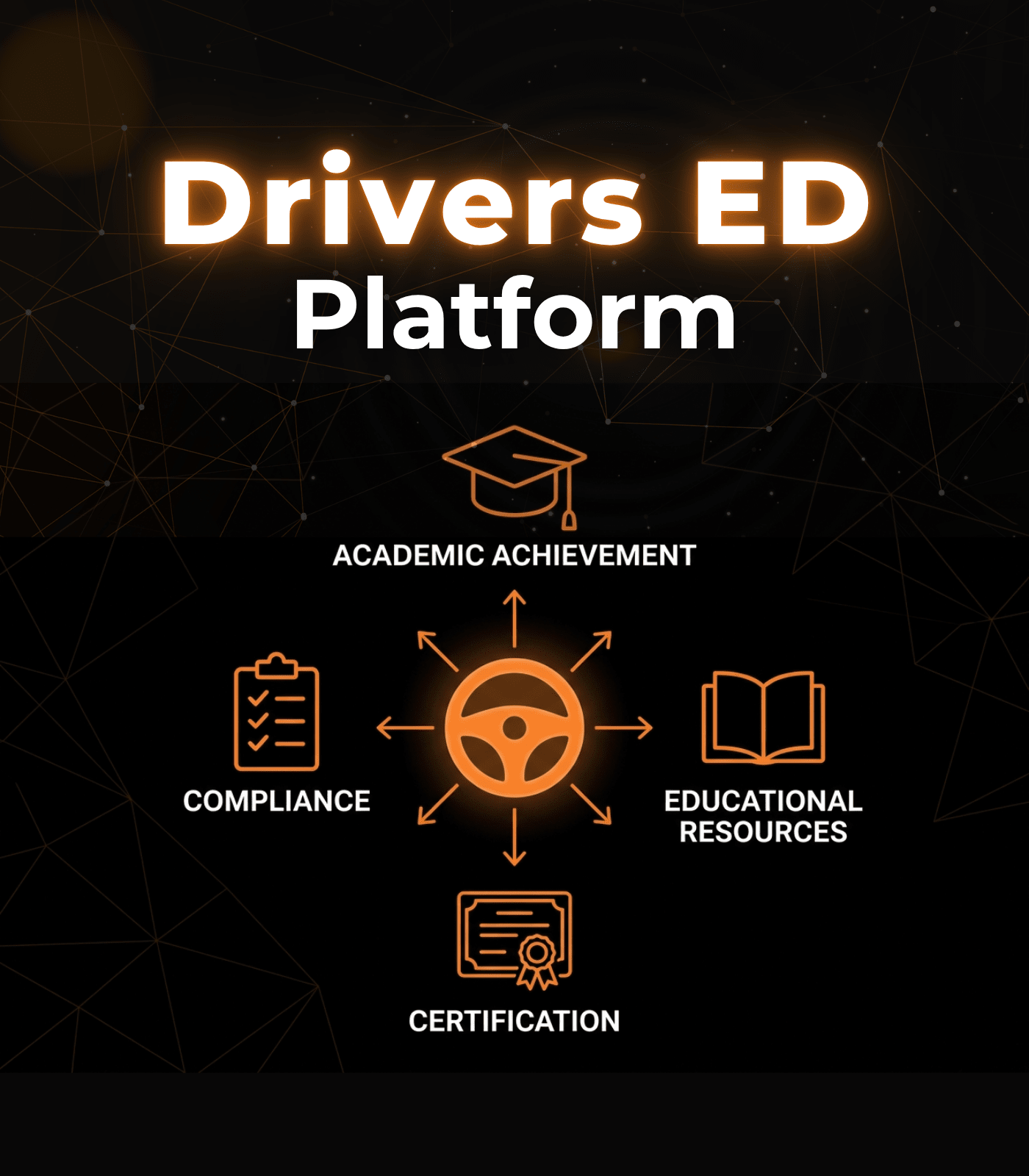
Built a TDLR-compliant drivers education platform and custom LMS infrastructure using SQL, MongoDB, LearnDash, and WordPress, enabling course enrollment, student progress tracking, and school district revenue sharing.
Delivered 3x faster student onboarding through a streamlined enrollment and course access system.
View Case StudyThe first milestone is a meaningful user outcome, not a long list of completed tickets.
Agree the target user, the job to be done, the key assumption and the budget boundary.
Lean scope and a success measure.
Prototype the core screens and validate the primary interaction before full development.
Approved UX flows and build plan.
Build essential functionality, integrations and QA in reviewable increments.
A demoable product and acceptance tests.
Release to an agreed audience with basic analytics, monitoring and feedback in place.
Live product and launch checklist.
Review what users actually did, then decide what to improve next.
Evidence-led next iteration proposal.
Founders need more than a delivery promise: visibility into progress, control over scope and enough information to decide whether to keep investing.
Review checkpoints and acceptance conditions are agreed before each phase begins.
A prioritized backlog and a change-control process keep scope tied to the hypothesis.
Repository ownership, environments, credentials and handover are specified in the contract.
Stabilization, new features or an embedded product team are available when the evidence justifies them.
Start with the engagement that matches how much is already decided.
For founders who need to cut the feature list and identify the first testable release. A scoped commercial engagement.
Scope My MVPFor a defined concept that needs product UX, engineering, testing and an initial release. Milestone-based scope.
Plan My BuildFor products with real feedback coming in, where the roadmap needs ongoing design and engineering.
Discuss IterationCommercial terms, milestones, code access and support are agreed in the project agreement before work begins.
Straight answers to the questions that usually decide whether an MVP is worth building.
Start with what a real user must do to experience the value you are claiming, plus what you need to learn. Everything else waits unless the use case genuinely requires it.